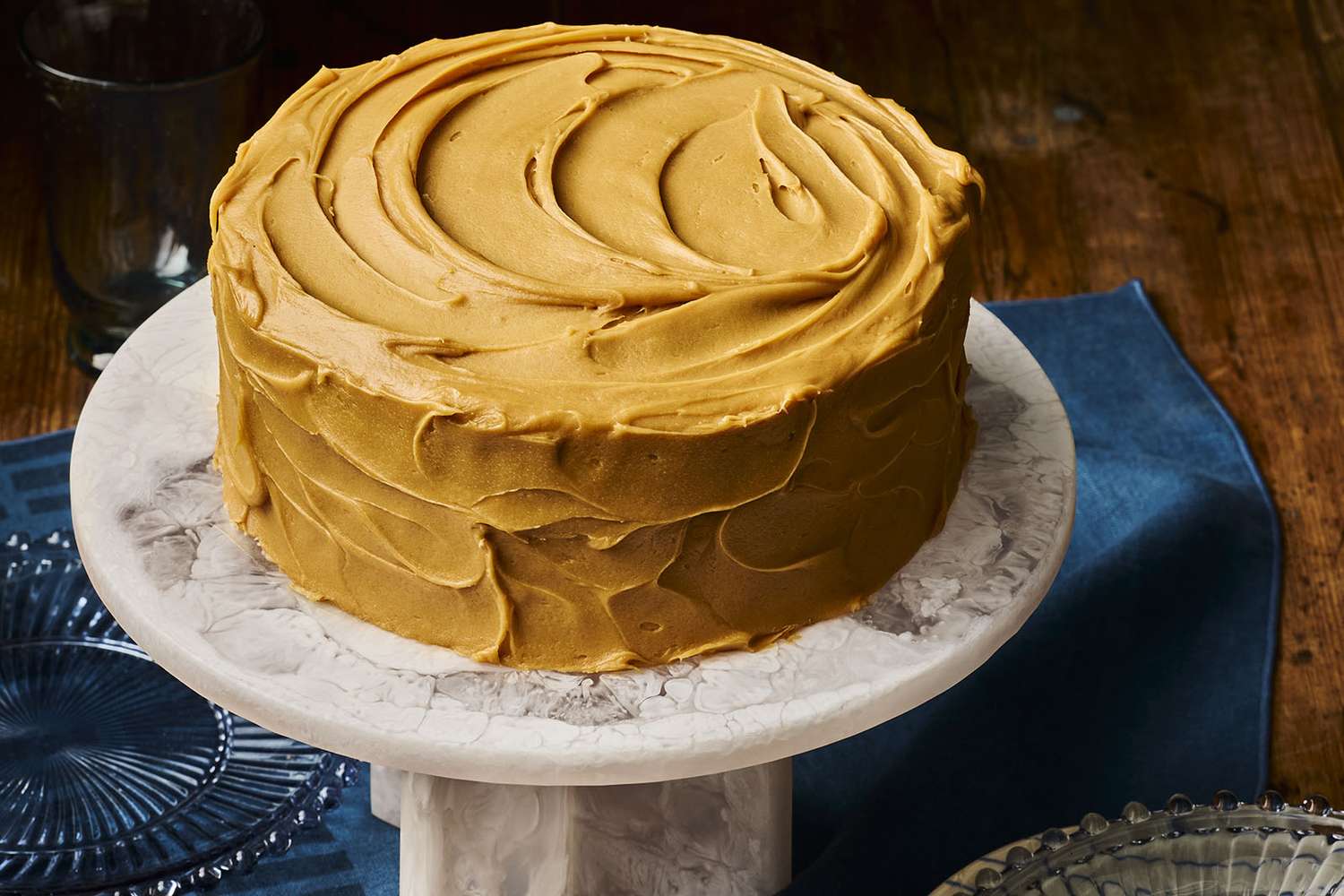
A Southern Symphony of Sweetness: Embracing the Tradition of Southern Caramel Icing
In the culinary landscape of the American South, few confections evoke such warmth, nostalgia, and profound dedication as southern caramel icing. It's more than just a sweet topping; it's a rich, buttery embrace, a testament to time-honored traditions, and as many devoted bakers will attest, a genuine act of love. From the moment the sugar begins its transformation into a bubbling amber pool, to the rhythmic stirring that culminates in a velvety, spreadable dream, crafting authentic southern caramel icing is a journey for the senses and the soul.
For generations, this iconic frosting has graced everything from towering layer cakes to delicate cookies, each dollop carrying the whispers of family gatherings, holiday feasts, and the patient hands that brought it to life. Unlike its modern, often simplified counterparts, true southern caramel icing demands attention, intuition, and a certain respect for the process. It's a recipe often passed down, not just on paper, but through careful observation and shared kitchen moments, embedding itself deeply within the fabric of Southern heritage. If you've ever tasted the real deal, you know there's nothing else quite like it – a flavor that truly makes the world go 'round.
The Act of Love: Passing Down the Art of Hand-Crafted Caramel
The heart of southern caramel icing lies in its deeply personal connection to family. Stories abound of grandmothers and aunts standing vigil over a hot stove, their focus unwavering as they coax sugar into submission. Robyn Stone, a renowned Southern cook, recounts her Grandmother Verdie, whose arthritic hands never wavered as she swirled a heavy cast iron Dutch oven, achieving the perfect "color" for her caramel. The process of making this icing, particularly the traditional hand-beating, was a significant part of the ritual.
Grandmother Verdie’s refusal to use a mixer, instead beating the rich caramel by hand, speaks volumes about the dedication required. It wasn't merely about convenience; it was about connection to the ingredients, feeling the changes in texture, and imbuing the icing with personal care. Similarly, Robyn learned that her mother-in-law had inherited a cherished caramel icing recipe from an Aunt T, who also insisted on beating it by hand until "just right." These traditions highlight a pivotal aspect of Southern cooking: that the effort put into a dish is as much an ingredient as the sugar or butter itself.
This hands-on approach transforms the act of baking into a meditative dance. The rhythm of the stirring, the careful monitoring of color, the patient beating – these steps are not just mechanical; they are an engagement with history, a nod to those who came before. It’s a powerful reminder that some of the most cherished culinary delights are born not from speed, but from devotion and the willingness to invest one's heart and soul.
The Alchemy of Caramelization: Mastering the Golden Hue
At the core of exquisite southern caramel icing is the precise art of caramelizing sugar. This isn't just melting; it's a chemical transformation that creates an entirely new depth of flavor. Achieving that perfect, burnished amber hue – not too pale, not burnt and bitter – is where true skill shines. It requires patience, keen observation, and often, a bit of intuition.
Wet vs. Dry Methods: Finding Your Caramel Confidence
There are generally two approaches to caramelizing sugar:
- The Dry Method: This involves simply heating sugar in a heavy-bottomed pan until it melts and caramelizes. It yields a more intense caramel flavor and allows for greater control over the color, but it can be more challenging for beginners as sugar can burn quickly if not constantly agitated. The "swirling" motion Grandmother Verdie employed is crucial here.
- The Wet Method: Sugar is combined with a small amount of water before heating. The water helps the sugar melt evenly and prevents crystallization, making it a more forgiving method for novices. Once the water evaporates, the sugar then caramelizes. While slightly less intense in flavor, it's a safer bet for consistent results.
Regardless of the method chosen, constant vigilance is paramount. Sugar transitions rapidly from perfectly golden to acrid and unusable. The key is to remove it from the heat just as it reaches that rich, deep amber color, before any smoky notes appear. The residual heat of the pan will continue the cooking process, so acting swiftly is essential. This attention to detail in creating the caramel sets the foundation for the entire icing's flavor profile.
The Hand-Beaten Difference: Unlocking Flawless Texture
Beyond the caramelization, the next critical step in crafting southern caramel icing is achieving its signature texture. This is often where the traditional hand-beating method truly distinguishes itself. While modern electric mixers offer undeniable convenience, many purists argue that the manual process imparts a unique, almost ethereal lightness and smoothness that mixers simply cannot replicate. The slow, steady incorporation of air and the deliberate cooling achieved through hand-beating result in an icing that is both creamy and subtly airy, never cloyingly sweet or dense.
Troubleshooting Common Challenges: From Runny to Crumbly
As dedicated bakers will attest, southern caramel icing can be temperamental. It demands precise timing and temperature control. As Cooking With Carlee notes, the instructions can be "very precise," and the consistency can shift dramatically during the process.
- Too Loose (A Thick Glaze): This is a common early stage. If your icing appears too thin, resembling a glaze rather than a frosting, it likely needs more beating time or to cool down further. As the caramel mixture cools, it will naturally thicken. Continue beating by hand, allowing the mixture to cool slightly while incorporating air. The goal is a consistency that holds its shape but is still spreadable.
- Too Thick (Unspreadable): Conversely, if the icing becomes too stiff, crumbly, or unmanageable, it might have been beaten for too long, cooled too much, or there wasn't enough liquid. Gentle, very brief reheating over a double boiler can sometimes loosen it up. Alternatively, you can add a tiny amount of warm milk or cream, a teaspoon at a time, while beating vigorously, until it reaches the desired spreadable consistency. Be careful not to add too much liquid, as it can quickly become too loose again.
Robyn Stone's experience making Little Buddy's first birthday cake perfectly illustrates this journey of perseverance. After three attempts, she finally found her rhythm, mimicking the "swirl and stir, swirl and stir" she'd watched her Grandmother perform. This "dance" is about more than just mixing; it's about sensing the shifts in consistency, feeling the resistance, and knowing precisely when the icing has reached that perfect, pliable stage. It’s a tactile art that electric mixers, despite their power, cannot fully replicate. Mastering this texture is key to truly achieve flawless Southern caramel frosting.
Your Journey to Perfect Southern Caramel Icing
Embarking on the journey to craft your own batch of southern caramel icing is more than just following a recipe; it's an invitation to connect with a rich culinary heritage and to engage in a truly rewarding act of love. Whether you're making it for a special occasion, like Robyn Stone's determination to perfect it for her son's first birthday, or simply to satisfy a craving for homemade goodness, the process itself is part of the charm.
Practical Tips for Success:
- Patience is Paramount: Don't rush the caramelization process. Stay attentive, and don't walk away from the stove.
- Use a Heavy-Bottomed Pan: This ensures even heat distribution and prevents scorching. A cast iron Dutch oven, like Grandmother Verdie's, is ideal.
- Trust Your Senses: Rely on the visual cues for caramel color and the tactile feel for icing consistency.
- Embrace the Hand-Beating: While challenging, the manual effort often yields superior results in texture. Think of it as a meditative practice.
- Don't Be Afraid to Practice: Like any skill, perfecting southern caramel icing takes time. Don't be discouraged by initial attempts; each try brings you closer to mastery.
Once perfected, this rich, buttery, and utterly irresistible icing is the ideal complement to a classic yellow cake, chocolate marble squares, or even spooned straight from the bowl. It's a taste of home, a piece of history, and a delicious tradition that truly embodies the spirit of Southern hospitality.
Conclusion
Southern caramel icing stands as a powerful symbol of heritage, patience, and the profound love poured into homemade cooking. It’s a culinary tradition that transcends mere ingredients, becoming an experience woven with family stories, dedicated effort, and the unmatched satisfaction of creating something truly special by hand. From the golden dance of sugar in a heavy pan to the rhythmic beating that transforms it into a luscious, spreadable dream, every step is a testament to an enduring Southern legacy. So, gather your ingredients, clear your mind, and prepare to embark on a sweet journey that promises not just a delicious treat, but a heartwarming connection to the past.
