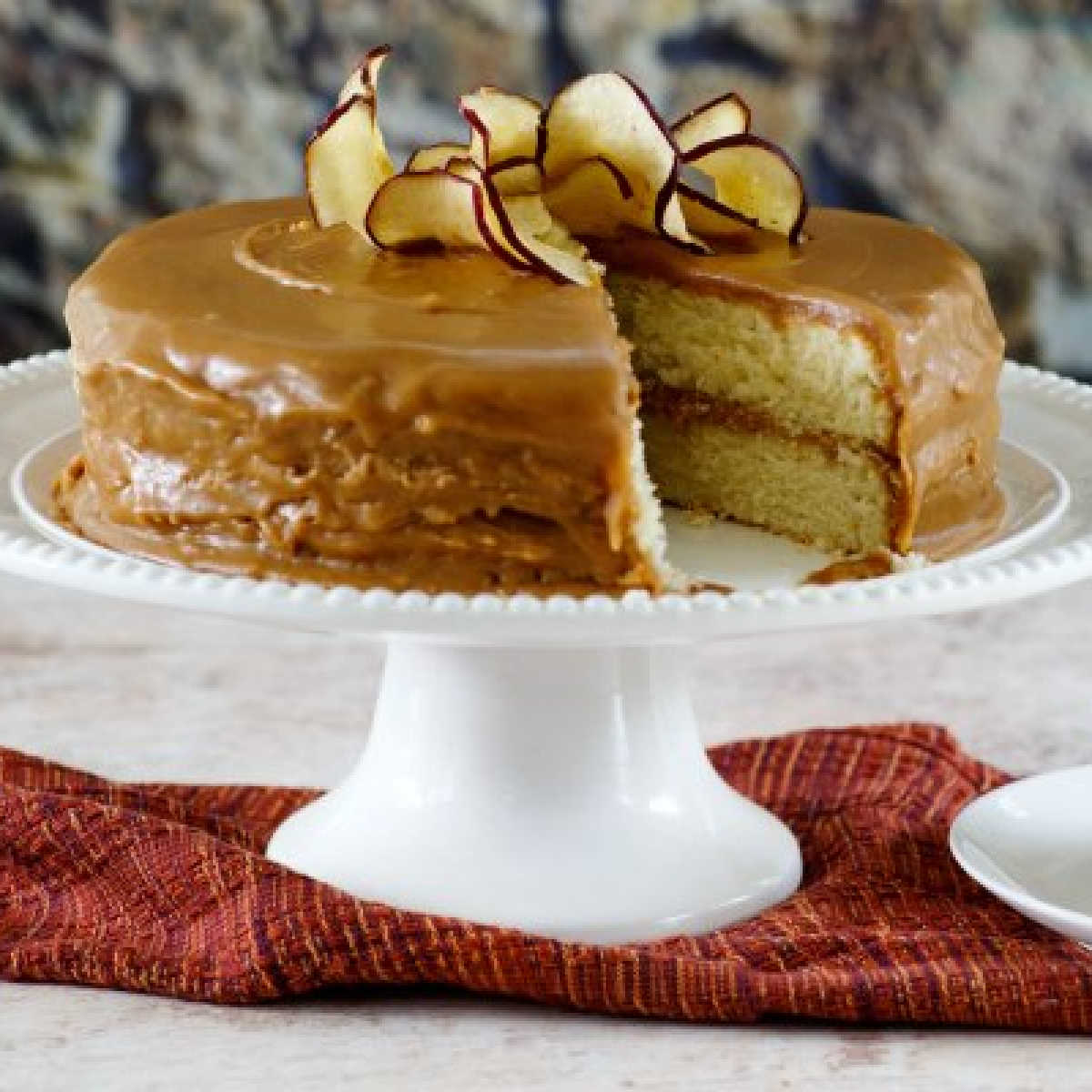
Real Deal Southern Caramel Icing: A Culinary Embrace of Southern Heritage
There are few culinary creations that evoke the warmth and comfort of a Southern kitchen quite like a perfectly crafted
southern caramel icing. It's more than just a topping for a cake; it's a velvety, amber-hued testament to tradition, patience, and the profound love poured into every swirl. This isn't your everyday store-bought frosting; this is the "real deal," a legacy passed down through generations, each batch carrying whispers of family gatherings, cherished memories, and the unmistakable taste of home. From humble origins at the stovetop, this iconic icing transforms any dessert into a showstopper, a luxurious, melt-in-your-mouth experience that defines Southern hospitality.
The Soul of Southern Kitchens: Why Caramel Icing Matters
In the culinary lexicon of the American South, certain dishes hold an almost sacred status.
Southern caramel icing is undeniably one of them. It's not merely an ingredient; it’s an act of devotion, a labor of love that speaks volumes without uttering a single word. Imagine the scene: a cast-iron pot, gently heated, sugar slowly transforming from crystalline white to a deep, glistening amber. The aroma begins to fill the kitchen, a sweet, buttery perfume that promises indulgence. This intricate dance of sugar, butter, and cream isn't about speed or convenience; it's about the journey, the transformation, and the deeply satisfying reward at the end.
For many, myself included, the memory of homemade
southern caramel icing is inextricably linked to grandmothers, mothers, and aunts standing steadfastly at the stove. It's a connection to roots, a tangible link to ancestral kitchens where recipes were etched not just on paper, but in the heart. Each family often boasts its own nuanced version, a secret touch, or a particular method passed down, making every bite a unique reflection of that family's history. It’s a testament to the idea that some of the greatest culinary treasures are born from simple ingredients and immense dedication, truly making the world a sweeter place.
A Legacy Wrought by Hand: Grandmother Verdie's Method and Beyond
The art of making authentic
southern caramel icing often begins with a story – a tale of patience, precision, and an unwavering commitment to quality, often carried out by hand. Consider the enduring image of Grandmother Verdie, her hands, perhaps gnarled by time and arthritis, gripping a heavy cast-iron Dutch oven. She wouldn't just stir the sugar; she’d meticulously swirl it for what felt like endless minutes, coaxing it to that perfect, golden-brown hue. This wasn't merely cooking; it was a rhythmic, almost meditative process, a dance between heat and sugar to achieve just the right depth of flavor before adding the remaining ingredients.
What truly set her method apart, and indeed many traditional Southern cooks, was the steadfast refusal to employ a mechanical mixer for the icing itself. After the caramel base was prepared, Grandmother Verdie would transition to hand-beating the entire mixture. This labor-intensive step, often sustained for what seemed like an age, was crucial. It wasn’t about brute force but a practiced rhythm that incorporated air and developed the unique, creamy, yet firm texture that defines traditional
southern caramel icing. This manual approach allowed for an intuitive feel for the icing’s consistency, something a machine simply cannot replicate.
This dedication to the craft wasn't isolated. The same deep-rooted tradition extended across families. I learned that my mother-in-law also cherished a special recipe, honed from her husband's Aunt T, who likewise insisted on beating her icing by hand to achieve that quintessential "just right" finish. Though recipes might differ slightly in their ratios, the fundamental method – the diligent caramelization, the intuitive hand-beating – remained a shared act of love and culinary heritage. This unwavering commitment to handcrafting is not just a preference; it’s a foundational element that imparts a distinct character and depth that defines true southern caramel. To delve deeper into this manual artistry, explore
The Act of Love: Crafting Southern Caramel Icing by Hand.
Conquering the Caramel: Tips for Perfecting Your Icing
Embarking on your own journey to create flawless
southern caramel icing can feel daunting, especially given its reputation for being temperamental. Yet, with a few key insights and practical tips, you can transform potential pitfalls into triumphs, achieving that rich, spreadable perfection. The primary challenges often revolve around caramelization and maintaining the ideal consistency for spreading.
*
Mastering the Caramelization: This is the foundation of flavor. Start with granulated sugar in a heavy-bottomed pan. Heat it *slowly* over medium-low heat. Resist the urge to stir with a spoon initially. Instead, gently swirl the pan to ensure even melting and prevent hot spots. Watch closely as the sugar melts and begins to turn amber. The goal is a deep, rich amber color, akin to an old penny. Too pale, and your icing lacks depth; too dark, and it will taste burnt and bitter. Remove it from the heat the moment it reaches that perfect hue – it will continue to cook slightly from residual heat. This crucial step is where the magic begins.
*
Precision in Combining Ingredients: Once your caramel is ready, carefully add butter and cream (or milk). Be prepared for aggressive bubbling and steam – it's natural. Stir vigorously until the butter is fully melted and incorporated. Then, remove from heat and allow the mixture to cool slightly before adding powdered sugar. The temperature of the caramel base is critical here; if it's too hot, your butter can separate, or the icing can become oily and too thin.
*
Navigating Consistency – The Spreading Sweet Spot: This is often where bakers encounter the most frustration. The icing can appear very loose, almost like a thick glaze, when first mixed, leading to fears it won't cling to the cake. Conversely, if allowed to cool too much or beaten for too long, it can seize up into an unspreadable, crumbly mess. The secret lies in diligent observation and strategic beating.
* **If too loose:** Don't despair. Continue to beat the icing, either by hand or with a mixer (though hand-beating helps you feel the texture). As it cools and incorporates air, it will thicken. If it's still too loose after beating and cooling for a reasonable time, you can carefully add a small amount of additional powdered sugar, spoonful by spoonful, until it reaches a spreadable consistency. Alternatively, a brief stint in the refrigerator (5-10 minutes, stirring occasionally) can help it firm up.
* **If too thick/seized:** This is a common issue. If your icing becomes too stiff and difficult to spread, gently warm it over a double boiler or in a microwave for very short bursts (5-10 seconds), stirring well after each interval. Add a tiny splash of warm milk or cream, a teaspoon at a time, and beat vigorously until it softens and becomes workable again. The key is gentle reheating and incremental liquid addition.
*
The Art of Hand-Beating: While a stand mixer can certainly help, many purists swear by hand-beating for a truly smooth and airy
southern caramel icing. It allows you to feel the resistance, the temperature, and the subtle changes in texture. Beat until the icing achieves a creamy, spreadable consistency that holds its shape but is still soft enough to glide over a cake without tearing it. This careful attention to detail ensures your frosting is not only delicious but beautifully presented. To master the nuanced textures required, check out
Achieve Flawless Southern Caramel Frosting: Master the Texture.
Your First Southern Caramel Icing Journey: A Rite of Passage
The first time you embark on making
southern caramel icing yourself, it feels like a genuine culinary rite of passage. I distinctly remember the day I decided to tackle this challenge for my son Little Buddy’s first birthday cake. We were living with my husband’s parents, immersed in the whirlwind of building our new home, and the birthday celebration had to be perfect. Every detail, from the invitations to the light blue placemats, was meticulously planned. But the cake, and specifically that iconic caramel icing, was paramount. It had to taste precisely like the magical icing I remembered from carefully observing my Grandmother Verdie.
I was determined to succeed independently, even though I knew Grandmother Verdie, despite her now more ravaged hands, would have eagerly stepped in to help. The process was a test of patience and perseverance. After what felt like endless swirling, stirring, and careful adjustments – three attempts, to be exact – I finally achieved it. A batch of
southern caramel icing so perfect, so reminiscent of childhood, that it brought a surge of accomplishment. I had re-enacted the familiar dance I'd witnessed countless times, finding my own rhythm, and ultimately, creating a topping worthy of that special birthday. This personal victory wasn’t just about baking; it was about connecting with a legacy, proving that dedication, even in the face of initial failures, yields the sweetest rewards.
Embrace the Tradition: Craft Your Own Southern Caramel Icing
The journey to creating authentic
southern caramel icing is more than just following a recipe; it's an immersive experience that connects you to generations of Southern home cooks. It demands attention, patience, and a touch of intuition, but the rewards are immeasurable. The rich, buttery aroma that fills your home, the silky-smooth texture, and the complex, sweet-and-savory notes of genuine caramel are a testament to the love and effort invested. Whether you're topping a classic layer cake, a batch of cupcakes, or simply enjoying it by the spoonful (we won't tell!), this timeless family recipe offers a taste of true Southern heritage. So, gather your ingredients, take a deep breath, and let the magic of real deal southern caramel icing transform your kitchen into a haven of sweet tradition.