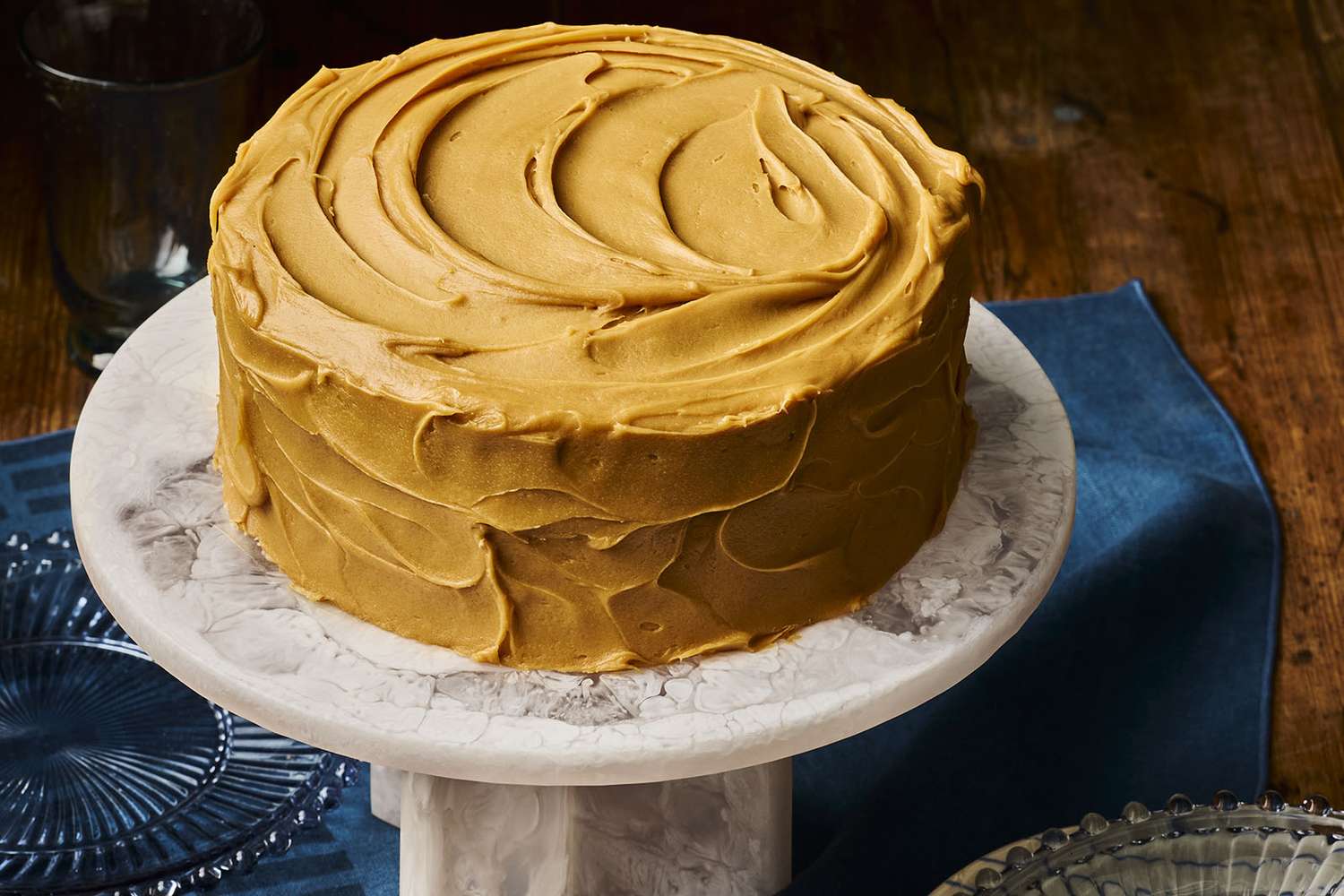
The Quest for Perfection: Mastering Southern Caramel Icing Texture
There are few culinary delights as deeply cherished and evocative as a truly flawless batch of real deal homemade southern caramel icing. It's more than just a sweet topping; it's a taste of tradition, a comforting hug from generations past, and, for many, an act of pure, unadulterated love. This iconic frosting, often gracing everything from classic caramel cakes to humble marble squares, carries with it a legacy of patience, precision, and an unwavering dedication to achieving that sublime, melt-in-your-mouth texture.
The journey to mastering southern caramel icing by hand, or even with modern conveniences, is often depicted as a dance—a delicate balance between caramelizing sugar to perfection and then coaxing it into an ethereal spreadable consistency. Many home bakers, inspired by family recipes passed down through whispered secrets and practiced hands, embark on this delicious adventure only to find themselves facing a common foe: texture. From a frustratingly runny glaze that refuses to cling to the cake's sides to a stubbornly thick, grainy mass that resists smooth spreading, the path to perfection can be fraught with peril. But fear not, for understanding the nuances of this beloved recipe is the first step toward achieving a luscious, smooth, and utterly irresistible southern caramel icing every single time.
The Heartbeat of the Icing: Perfecting the Caramelization
At the core of any exceptional southern caramel icing lies the foundational step of caramelizing the sugar. This isn't merely melting sugar; it's a transformative process where simple granules become a complex symphony of flavor and color. It's where you truly "control your own destiny" as the icing maker.
- Choosing Your Method: Wet vs. Dry Caramel
- Dry Method: This involves heating sugar in a heavy-bottomed pan (many traditionalists swear by cast iron) without any added water. The sugar melts, then slowly begins to caramelize. This method requires constant attention and often a gentle swirling of the pan to ensure even melting and prevent burning. It offers intense flavor, as there's no water to evaporate, but can be prone to crystallization if not handled carefully.
- Wet Method: Here, a small amount of water is added to the sugar before heating. The water helps dissolve the sugar, reducing the risk of crystallization and promoting more even caramelization. Once the water evaporates, the sugar continues to cook and caramelize. While slightly more forgiving, it still demands vigilance.
- The Art of the Swirl: Regardless of method, constant, gentle swirling of the pan is key. Just like Grandmother Verdie, whose hands, wrought with arthritis, still maintained the rhythm to achieve the perfect "color," this motion ensures the sugar cooks evenly and prevents hot spots that can lead to scorching. Avoid stirring with a utensil once the sugar starts to melt, as this can introduce crystals.
- The Perfect Color: This is arguably the most crucial visual cue. You're aiming for a rich, deep amber color, reminiscent of a copper penny or dark honey. Anything lighter won't have enough caramel flavor, and anything darker risks tasting burnt and bitter. The sugar will continue to cook slightly even after removing it from the heat, so err on the side of slightly lighter if you're unsure. A good rule of thumb is to pull it off the heat just as it reaches your desired shade, knowing it will deepen a touch more.
- Temperature Matters: Maintain a medium heat to allow for controlled caramelization. Rushing the process with high heat significantly increases the risk of burning and creates an unpleasant acrid taste that will ruin your entire batch of southern caramel icing.
The Dance of Consistency: Achieving the Perfect Spread
Once your caramel base is perfectly golden and fragrant, the next challenge—and often the most debated part of making southern caramel icing—is transforming it into that ideal spreadable consistency. This is where many bakers experience the "aha!" moments or, conversely, the "oh no!" moments.
Navigating Common Texture Troubles:
- The "Too Loose" Glaze: One common pitfall is an icing that, when initially spread, feels more like a thick glaze. It slides off the sides of the cake, threatening to turn your masterpiece into a trifle.
- The Fix: Often, this simply means the icing hasn't been beaten enough, or it's still too warm. Continue beating, either by hand or with a mixer, allowing the mixture to cool further. As it cools and incorporates air, it will thicken. You might even gently refrigerate the bowl for 5-10 minutes (no longer!) and then resume beating. Patience is your best friend here.
- Why it Happens: Caramel contains a lot of sugar, which is hygroscopic (absorbs moisture). If it's too warm, the sugar crystals remain dissolved, making the mixture fluid. As it cools, the crystals start to form and 'set,' giving it structure. Beating incorporates air, further aiding this process and creating a lighter, fluffier texture.
- The "Too Thick" or Grainy Mess: On the other end of the spectrum is icing that becomes stubbornly thick, crumbly, or grainy, refusing to spread smoothly and leaving your cake looking less than pristine.
- The Fix: This usually happens if the icing has been beaten for too long, or has cooled too much. A gentle reheat can sometimes salvage it. Place the bowl over a pot of simmering water (bain-marie style), stirring constantly until it just barely softens. Be careful not to cook it. If it's grainy, sometimes adding a teaspoon or two of warm milk or cream, then beating again, can help dissolve some of the stubborn crystals.
- Why it Happens: Over-beating, especially as the icing cools, can encourage sugar crystals to bond excessively, leading to a stiff, grainy texture. If the mixture cools too rapidly without adequate aeration, it can also seize.
The Art of Beating: Hand vs. Mixer
Generations of Southern cooks, including Robyn Stone's Grandmother Verdie and her mother-in-law's Aunt T, beat their southern caramel icing by hand, a testament to their dedication. This labor of love, while demanding, allows for incredible control over the texture.
- Hand Beating: Using a sturdy spoon or whisk, beat vigorously and consistently. You'll feel the transformation as the icing cools and thickens. This method gives you an intimate connection to the process, allowing you to gauge the consistency by feel. It’s a true act of love: crafting southern caramel icing by hand.
- Stand Mixer: For modern convenience, a stand mixer fitted with the paddle attachment is an excellent alternative. Start on low speed and gradually increase to medium. Watch it carefully; the mixer's power can quickly take the icing past the point of no return from perfectly spreadable to too thick.
- The Critical Window: The most crucial aspect of beating is knowing when to stop. The ideal consistency is thick enough to hold its shape but still pliable and smooth enough to spread easily with an offset spatula. It should be glossy, but no longer runny. This takes practice, but once you've achieved it, you'll recognize it instantly.
Tips for a Flawless Finish Every Time
- Use a Heavy-Bottomed Pan: This ensures even heat distribution and prevents scorching, especially during the caramelization phase. Cast iron is excellent, but a good quality stainless steel or copper pan works too.
- Patience is Paramount: Rushing any step, from caramelizing the sugar to beating the icing, is the quickest way to disaster. Embrace the process; it's part of the charm of homemade southern caramel icing.
- Don't Scrape the Sides of the Pan: When pouring the caramel, avoid scraping down the sides of the pan, as this can introduce sugar crystals that lead to a grainy icing.
- Warm Ingredients (Mostly): Some recipes call for adding warm milk or cream to the hot caramel. This helps prevent the caramel from seizing up and becoming too hard when a cooler liquid is introduced.
- Taste as You Go (Carefully!): Once cooled enough, taste your caramel. Does it have the rich, deep flavor you're looking for? This helps you learn for next time.
- Room Temperature Cake: Always ensure your cake is completely cool before attempting to ice it. Warm cake will melt even the most perfectly textured southern caramel icing.
- Work Quickly (but Precisely): Once the icing reaches the perfect consistency, it can start to set relatively quickly. Have your cake ready and work efficiently to spread it.
The journey to perfecting southern caramel icing is indeed a rewarding one, steeped in tradition and the satisfaction of creating something truly special. It may take a few attempts, much like Robyn Stone's three tries to perfect it for Little Buddy's first birthday, but each effort brings you closer to mastering that elusive, flawless texture. By understanding the critical stages of caramelization and the delicate balance required during the beating process, you empower yourself to conquer common challenges and achieve an icing that is gloriously smooth, deeply flavorful, and undeniably the star of any dessert. So, roll up your sleeves, embrace the act of love, and prepare to delight in your perfectly textured southern caramel icing.
